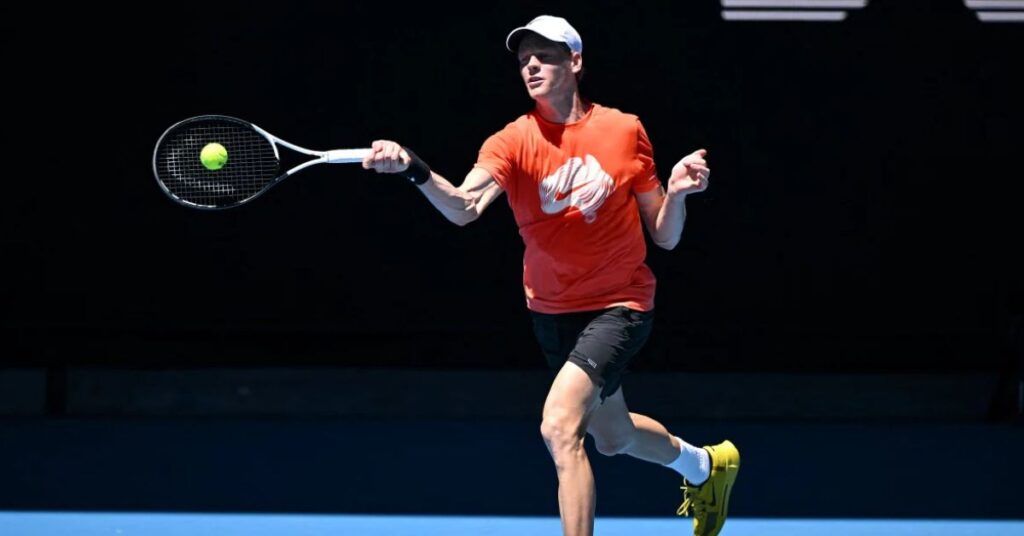

The Australian Open is once again alive with anticipation as Jannik Sinner and Madison Keys begin their title defences, stepping onto Melbourne’s hard courts with confidence, expectation, and the weight of championship pressure. As reigning champions in their respective draws, both players enter the tournament not just as contenders, but as targets, with every opponent eager to knock off the defending title-holders.
Their opening-round matches were more than routine wins. They were statements — clear reminders that both Sinner and Keys are prepared for the mental and physical demands of a Grand Slam and are fully focused on going deep once again at the season’s first major.
The Weight of a Champion’s Return to Melbourne
Defending a Grand Slam title is unlike any other challenge in tennis. Players arrive not chasing glory, but defending it. Every match comes with:
- Increased scrutiny
- Tactical targeting from opponents
- Heightened psychological pressure
For both Sinner and Keys, the opening round was about more than advancing — it was about re-establishing authority on courts where they lifted trophies only a year ago.
Jannik Sinner: Calm, Ruthless, and Relentless
A Champion in Control From the First Ball
Jannik Sinner’s return to Rod Laver Arena carried an air of quiet confidence. There was no visible tension, no sign of nerves — only precision, intensity, and control.
From the opening games, Sinner:
- Dictated rallies from the baseline
- Used depth and pace to pin his opponent back
- Limited unforced errors
It was the performance of a player who understands what it takes to win seven matches at a Grand Slam.
Baseline Dominance Sets the Tone
Sinner’s biggest weapon remains his baseline consistency combined with explosive acceleration. In his opening match, he:
- Took the ball early
- Redirected pace effortlessly
- Opened the court with sharp angles
Opponents found it difficult to break his rhythm, as Sinner absorbed pressure and turned defence into offence with ease.
Serve: An Underrated Weapon
One of the most noticeable improvements in Sinner’s game over the past year has been his serve — and it showed again in Melbourne.
Key serving highlights:
- High first-serve percentage
- Effective use of wide serves
- Minimal free points conceded
This reliability allows Sinner to hold serve quickly, conserving energy — a crucial factor in a Grand Slam.
Mental Growth Since His First Title
Perhaps the biggest difference between Sinner now and earlier versions of himself is mental clarity.
As defending champion, he showed:
- Patience during long rallies
- Calm reactions after lost points
- No visible panic in tight moments
This composure suggests a player who has embraced the expectations that come with being world number one-level material.
Why Sinner Is a Strong Favourite Again
After his opening performance, Sinner immediately reasserted himself as one of the top favourites for the men’s title.
His strengths in Melbourne include:
- Comfort on hard courts
- Superior movement for his height
- Ability to dominate rallies without overhitting
If he maintains this balance, stopping him will require something special.
Madison Keys: Power, Poise, and Purpose
A Confident Start to Her Title Defence
Madison Keys’ return to the Australian Open spotlight was equally impressive. Known for her explosive power and aggressive style, Keys began her title defence with clarity and composure — blending aggression with control.
Her opening match was marked by:
- Clean ball-striking
- Assertive court positioning
- Improved decision-making
Rather than forcing winners, she built points intelligently.
Controlled Aggression: The Key Difference
Historically, Keys’ biggest challenge has been managing risk. In her opening-round win, she struck a near-perfect balance.
She:
- Chose her moments to attack
- Reduced unforced errors
- Trusted her patterns rather than overreaching
This maturity is a major reason she lifted the trophy last year — and why she looks dangerous again.
Serve and First-Strike Tennis
Keys’ serve remains one of the most potent weapons on the women’s tour. In her opening match, it set the tone early.
Highlights included:
- Strong first-serve placement
- Quick service games
- Immediate pressure on return games
By controlling points from the first shot, Keys limited her opponent’s chances to settle.
Movement and Defence Often Overlooked
While Keys is best known for power, her movement and defence have quietly improved — and it showed again.
She:
- Reached balls she previously may not have
- Transitioned smoothly from defence to offence
- Stayed composed in longer rallies
This evolution makes her a more complete and resilient player.
Keys’ Confidence as Defending Champion
Returning as defending champion can be daunting, but Keys appeared energised rather than burdened.
Her body language suggested:
- Belief in her game
- Comfort with expectations
- Enjoyment of the stage
Confidence, especially in the women’s draw, can be a decisive factor.
The Psychological Battle of Title Defences
Being the One Everyone Is Chasing
For both Sinner and Keys, every opponent now enters the court with nothing to lose.
That dynamic means:
- Opponents play freely
- Risk-taking increases
- Momentum can shift quickly
Handling this requires discipline — something both champions displayed in their opening matches.
Managing Energy Across Two Weeks
A strong start matters, but Grand Slams are marathons, not sprints.
Key factors going forward:
- Efficient wins
- Avoiding long, draining matches
- Managing recovery
Both Sinner and Keys looked intent on finishing matches cleanly — an encouraging sign.
The Bigger Picture: What These Wins Mean
Early Statements to the Draw
Opening-round performances often shape perception across the tournament.
Sinner’s win sends a message to:
- Fellow title contenders
- Younger challengers
- The entire men’s field
Keys’ victory does the same in the women’s draw, reinforcing her status as more than a one-time champion.
Momentum and Confidence Matter
Confidence builds match by match at a Grand Slam. Strong first wins:
- Set rhythm
- Reduce pressure
- Build belief
Both players now move into the second round with momentum firmly on their side.
Challenges Ahead in Melbourne
Sinner’s Road Will Not Be Easy
Despite his strong start, Sinner’s path could include:
- Elite defenders
- Big servers
- Former champions
Each round will test different aspects of his game, particularly patience and physical endurance.
Keys’ Draw Demands Consistency
For Keys, the biggest challenge will be sustaining her level.
She must:
- Maintain error control
- Stay aggressive without rushing
- Manage emotions in tight moments
The women’s draw remains unpredictable, making consistency crucial.
Fans and Experts React
Early reaction from fans and analysts has been overwhelmingly positive.
Common observations include:
- Sinner looks “in control”
- Keys appears more composed than ever
- Both champions look prepared, not complacent
Such early impressions often shape expectations heading into the second week.
Why Melbourne Suits Both Champions
The Australian Open’s conditions suit both players perfectly.
For Sinner:
- True bounce rewards clean ball-striking
- Faster courts enhance his timing
For Keys:
- Hard courts amplify her power
- Hot conditions favour aggressive players
Comfort with conditions is a huge advantage.
Defending Champions With Different Styles, Same Intent
Though their styles differ, Sinner and Keys share key traits:
- Clarity of game plan
- Physical preparedness
- Mental strength
These qualities matter most when pressure peaks.
What to Watch Next
As the tournament progresses, keep an eye on:
- How efficiently Sinner closes matches
- Whether Keys maintains error control
- How both handle tougher opponents
Early form is promising, but Grand Slams are defined by adaptability.
Conclusion
Jannik Sinner and Madison Keys have launched their Australian Open title defences in commanding fashion, delivering performances that combined quality, composure, and intent. Neither player looked weighed down by expectation. Instead, both embraced the challenge of defending a Grand Slam crown.
Sinner’s calm dominance reaffirmed his place at the top of the men’s game, while Keys’ balanced aggression showcased her growth into a complete champion. While the road ahead remains demanding, these opening victories send a clear message to the rest of the field: the champions are back, focused, and ready to fight for Melbourne once again.
As the Australian Open unfolds, one thing is certain — the title holders are not here to fade quietly.