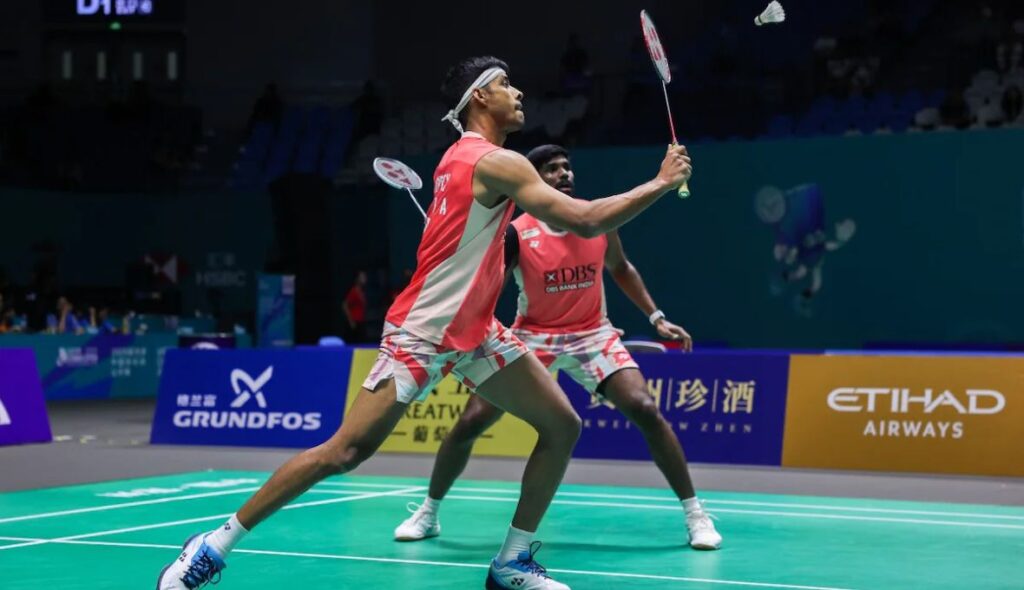

India’s campaign in the Badminton Asia Team Championships 2026 has taken an interesting turn as both the men’s and women’s teams secured quarterfinal berths despite narrow defeats in their final group-stage matches. The Indian men’s team suffered a close 2-3 loss against Japan, while the women’s team faced a similar 2-3 defeat against Thailand.
Despite these setbacks, India’s earlier performances ensured progression to the knockout stage, keeping hopes alive for strong finishes in the prestigious continental team badminton tournament. The upcoming quarterfinal clashes will see the Indian women face China, one of the strongest badminton nations globally, while the men’s team is set to meet Korea, another formidable opponent.
This development has created excitement among badminton fans as India prepares for high-stakes knockout encounters.
Overview of the Badminton Asia Team Championships
The Badminton Asia Team Championships is one of the most competitive continental badminton tournaments. It features Asia’s top badminton nations competing in team-format matches that include singles and doubles contests.
Importance of the Tournament:
- Showcases Asia’s top badminton talent
- Provides international team competition experience
- Helps prepare players for global events
- Boosts ranking and exposure
Asia remains the global powerhouse of badminton, making this tournament extremely competitive.
India’s Group Stage Performance
India entered the tournament with strong expectations. Both the men’s and women’s teams showed promising performances in early matches, helping them accumulate enough points to qualify despite final group-stage losses.
Key Highlights:
- Competitive performances against strong opponents
- Narrow 2-3 defeats showing close contests
- Balanced team effort across singles and doubles
- Qualification secured before final group matches
Such results demonstrate India’s growing competitiveness in Asian badminton.
Men’s Team Performance – Close Fight Against Japan
India’s men’s team faced Japan in their final group match. The tie proved highly competitive, with both teams showcasing high-quality badminton.
Match Observations:
- Intense singles battles
- Tactical doubles contests
- Close scorelines across matches
- Strong resilience from Indian players
Although India lost the tie 2-3, the performance showed the team’s potential.
Women’s Team Challenge Against Thailand
The Indian women’s team faced Thailand, another strong badminton nation. The match mirrored the men’s contest in intensity.
Key Points:
- Competitive singles performances
- Strong doubles resistance
- Tactical match management
- Narrow defeat despite spirited effort
The loss did not prevent India from progressing.
Quarterfinal Challenge – Women Face China
China remains one of the strongest forces in world badminton. The upcoming quarterfinal will test India’s women’s team significantly.
Challenges Against China:
- Depth in singles and doubles
- Strong tactical discipline
- Extensive international experience
- Consistent performance record
India will need exceptional performances to advance.
Men Set To Face Korea In Quarterfinals
South Korea has a strong badminton tradition, particularly in doubles formats. The Indian men’s team will need strategic preparation.
Key Factors For Success:
- Strong singles performances
- Coordination in doubles matches
- Tactical adaptability
- Mental resilience under pressure
The tie promises to be closely contested.
Strengths Of Indian Badminton Teams
India’s badminton teams have shown consistent growth over recent years.
Major Strength Areas:
- Emerging young talent
- Improved fitness levels
- Better international exposure
- Strong coaching support
These factors contribute to India’s competitiveness.
Importance Of Team Events In Badminton
Team championships differ from individual tournaments because players compete collectively for national pride.
Benefits include:
- Enhanced team bonding
- Strategic player selection
- Shared responsibility
- Experience under pressure
Such tournaments build future champions.
India’s Rising Badminton Infrastructure
India has invested significantly in badminton development.
Infrastructure Improvements:
- National training academies
- International coaching collaborations
- Sports science support
- Grassroots development programs
These initiatives support long-term growth.
Role Of Coaching And Support Staff
Behind every successful team lies a strong coaching system.
Key roles include:
- Tactical match preparation
- Fitness management
- Psychological conditioning
- Injury prevention
Effective support improves performance.
Fitness And Injury Management
Badminton requires intense physical conditioning.
Important aspects include:
- Recovery management
- Injury prevention strategies
- Balanced training schedules
Proper fitness ensures consistent performance.
Fan Support And Growing Popularity
Badminton has seen rising popularity in India.
Factors driving this include:
- International successes
- Media coverage
- Youth participation
- Professional league exposure
Fan support motivates players.
Media Attention On Quarterfinal Matches
Upcoming quarterfinal matches have generated significant media interest.
Coverage focuses on:
- Team combinations
- Tactical analysis
- Player fitness updates
- Match predictions
Media exposure promotes the sport.
Global Competition Increasing
Asian badminton competition remains extremely strong.
Countries like:
- China
- Korea
- Japan
- Thailand
- Indonesia
consistently produce world-class players.
India continues to narrow the gap.
Psychological Preparation For Knockouts
Knockout matches require mental resilience.
Players must:
- Handle pressure effectively
- Maintain focus
- Execute strategy under stress
Mental strength often determines outcomes.
Lessons From Group Stage Losses
Even defeats provide learning opportunities.
Key lessons include:
- Tactical adjustments
- Match tempo management
- Communication improvements
Learning helps future performance.
Future Prospects For Indian Badminton
India’s badminton future remains promising.
Focus areas include:
- Youth development programs
- International exposure
- Coaching advancements
These efforts support sustained growth.
Importance Of Consistency In Team Events
Consistency across matches determines success.
Teams must maintain:
- Fitness levels
- Tactical clarity
- Team cohesion
Consistency drives results.
Expectations From Quarterfinal Matches
Fans expect competitive performances regardless of results.
Key expectations include:
- Fighting spirit
- Tactical discipline
- Professional approach
Such performances build confidence.
India’s Position In Asian Badminton
India continues to establish itself as a competitive badminton nation in Asia.
Key achievements include:
- International tournament victories
- Rising player rankings
- Growing infrastructure
Progress remains steady.
Conclusion – Quarterfinal Opportunity Awaits
India’s progression to the quarterfinals of the Badminton Asia Team Championships 2026 despite narrow losses reflects resilience, competitive spirit, and growing strength in Asian badminton. Facing China and Korea will present tough challenges, but these matches also offer valuable opportunities for growth.
With continued development, strong coaching support, and emerging talent, Indian badminton is well positioned for future success. Fans will now eagerly watch the knockout matches, hoping for strong performances and potential breakthroughs.
Regardless of the outcome, India’s journey in this tournament reinforces its rising status in global badminton and highlights the sport’s growing popularity across the country.